Welcoming GLOBAL Riders | Expert Guidance for Every Adventure | WhatsApp: +91 980 033 6667 | Email: info@zoyahsikaa.com

Breaking Down Barriers: Solving the Top Pain Points for International Motorcycle Riders Exploring India
12/13/20255 min read
Understanding the Challenges of International Riders
International motorcycle riders who venture into India often encounter a broad and complex range of challenges that can significantly impact their travel experience. One primary concern that stands out is the visa process, which varies considerably depending on the rider's nationality, the purpose of the visit, and the duration of their stay in the country. Riders must ensure that they acquire the appropriate visa that allows them not only to enter India but also to engage in specific motorcycle activities, which sometimes may require special permissions or additional documentation. Failing to adhere to visa protocols can lead to unexpected roadblocks that might disrupt or derail one's carefully planned traveling plans, turning what should be an exciting adventure into a frustrating ordeal.
Another further important aspect that riders need to navigate is the specific requirements related to permits for their motorcycles. These regulations differ significantly from state to state within India, necessitating a thorough understanding of the necessary documentation for both the rider and the vehicle. Without these permits, international riders may face considerable fines or even the impoundment of their motorcycles, which could mar an otherwise enjoyable trip. This means that potential travelers must conduct diligent and thorough research about the local laws and organizational protocols to ensure compliance and smooth passage through the diverse and culturally rich regions of India.
Moreover, familiarizing oneself with the local laws and regulations is crucial for a hassle-free journey. Understanding traffic rules, road conditions, and local customs can present unique challenges, especially for those who are unaccustomed to India's unique and often chaotic driving environment. Factors such as traffic density, unexpected road conditions, and the behavior of local drivers can greatly influence a rider's safety and enjoyment. Understanding local traffic patterns and safety measures, such as the wearing of helmets or adherence to local licensing norms, is not just advisable but essential for safety and legal conformity. To enhance their experience, riders must prepare adequately, ensuring they are well-informed about these aspects before embarking on their thrilling adventure.
Overcoming Language Barriers and Navigating Culture
When embarking on a vibrant adventure through the multifaceted landscape of India, international motorcycle riders may confront significant language barriers. With over 1,600 languages spoken, the prominence of Hindi and English as communication mediums is noticeable; however, many locals may favor their regional languages even more. Consequently, it becomes beneficial for riders to equip themselves with basic Hindi phrases and greetings to facilitate simple interactions and pleasant communications. Learning greetings, expressions of gratitude, and essential inquiries can significantly enhance communication and foster a rapport with the locals, ultimately enriching the overall travel experience.
Utilizing translation applications is another effective strategy for overcoming language barriers that may arise during the journey. Various mobile apps can provide real-time translation services, thus enabling smoother conversations and making interactions with locals much more enjoyable. Riders can download helpful language apps in advance and familiarize themselves with their features, enabling seamless communication when needed. These tools can help bridge gaps while dealing with directions, local customs, or even ordering delicious food at roadside dhabas, adding to the adventure of exploring India's culinary delights.
Understanding cultural differences is equally vital in ensuring a fulfilling and respectful travel experience. Indian social norms can vary dramatically from those of the riders' home countries, and being aware of these differences can lead to richer interactions. For instance, greetings may include a traditional 'Namaste,' and showing great respect towards elders is paramount in Indian culture. Adapting to local etiquette, such as removing footwear before entering a home or a place of worship, not only demonstrates respect but can also foster trust and goodwill among locals, making the journey all the more rewarding.
Moreover, recognizing the significance of communal living in India can bring about enriching interactions. Engaging in small talk or participating in local traditions can provide invaluable insights into the culture and lifestyle of the people. Giving considerate attention to cultural practices ensures riders are seen not merely as tourists but as respectful individuals eager to immerse themselves in the community. This mutual understanding sets the foundation for memorable experiences and notably enhances the joy of exploring India's diverse landscapes and fascinating locales.
Bike Rental Logistics and Mechanical Support
When venturing into the vibrant and stunning landscapes of India on two wheels, understanding the logistics of bike rental is crucial for ensuring a seamless and enjoyable experience. Several types of motorcycles are available, catering to various preferences, riding styles, and experience levels. Popular choices include lightweight commuter bikes for the urban rider, sturdy cruisers for long-distance travel, and off-road motorcycles suitable for adventurous explorations, all of which can be rented from numerous local agencies or established rental companies. Each rental agency may offer different agreements, so it is essential to carefully review the terms, including duration of rental, insurance coverage options, and the condition of the bike being rented. Riders should also keep in mind that some critical documentation, such as a valid driving license and passport, is required during the rental process.
In the event of a mechanical issue, knowing how to access reliable mechanical support is vital for ensuring rider safety and minimizing downtime. Firstly, familiarizing oneself with the local area will help identify primary service stations ahead of time. Major cities like Delhi, Mumbai, and Bengaluru have numerous service centers equipped to handle diverse motorcycle models and concerns, often offering parts and repair services that locals trust. For those venturing into remote regions, it is advisable to make inquiries about trustworthy mechanics who specialize in two-wheelers, as they are often more equipped to address common issues faced while riding in less-traveled areas, thus ensuring an uninterrupted journey.
Furthermore, preparation for potential breakdowns can significantly ease the stress of unexpected situations. Riders should carry a basic toolkit for minor repairs and familiarize themselves with common motorcycle problems and corresponding solutions. Constructing a solid relationship with trustworthy mechanics can make a significant difference; recommendations from locals or fellow riders often prove beneficial in this respect, allowing for a better experience. In conclusion, ensuring a successful motorcycle adventure in India entails not only understanding the logistics of bike rental but also entering into clear rental agreements and having access to reliable mechanical support when needed.
Planning Your Route and Ensuring Safety
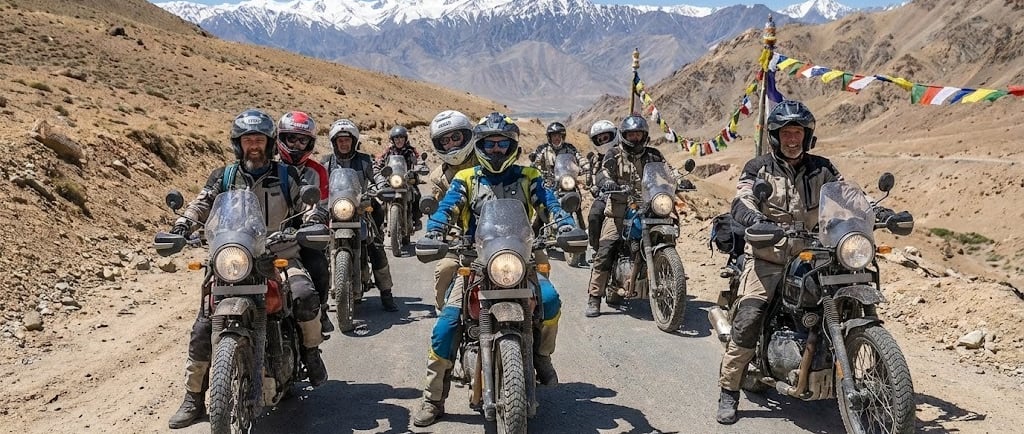
Planning a motorcycle tour in India requires careful consideration of several factors to ensure both an enjoyable and safe experience throughout the journey. One of the primary aspects is selecting a route that accommodates the varying skill levels of riders and adheres to their individual comfort zones. It's essential to recognize that India possesses a diverse array of landscapes and terrains, ranging from bustling urban areas filled with vibrant life to serene countryside and challenging hilly routes. Riders should evaluate their own experience and comfortability while choosing routes that match their capabilities, ultimately promoting a safer riding environment and a more enjoyable experience.
Moreover, it's beneficial to explore scenic and culturally rich areas throughout India. Notable routes, such as those leading through the breathtaking Himalayas, the tranquil Ganges River Valley, and the enchanting Western Ghats, offer stunning views as well as unique cultural experiences that can greatly enrich the adventure. Incorporating stops at historical sites, local markets, quaint towns, and natural wonders can enhance the overall travel experience, making for a memorable and rewarding adventure on two wheels.
Safety is paramount when embarking on motorcycle tours across such a diverse terrain. Understanding traffic conditions is crucial; Indian roads can be chaotic, with a mix of vehicles, pedestrians, and even animals sharing the road, making defensive riding practices necessary for safety. Riders should remain vigilant and adaptable, especially in urban environments where navigating through heavy traffic is common and poses various challenges. Additionally, the monsoon season poses specific challenges, such as slippery roads and reduced visibility, which can make controlling the bike more difficult. It is advisable to check weather forecasts and plan rides accordingly to avoid hazardous conditions, especially during the unpredictable weather patterns that can arise in different regions.
Furthermore, technology can play a significant role in route planning and navigation. Utilizing GPS devices or smartphone applications can not only enhance navigation but also help riders stay on track, check for nearby service stations, and avoid potential hazards. However, having a physical map as a backup is often wise, especially in remote areas where signals may be unreliable and access to technology may be limited. By considering these factors carefully when planning your motorcycle tour in India, riders can significantly enhance their safety, enjoyment, and overall experience on the road.
Contact
Reach out for your next bold adventure
Phone
info@zoyahsikaa.com
+91 980 033 6667
© 2025. All rights reserved.