Welcoming GLOBAL Riders | Expert Guidance for Every Adventure | WhatsApp: +91 980 033 6667 | Email: info@zoyahsikaa.com

Sony ZV-E10 M2 for Motorcycle Vlogging: 6-Month Real-World India Review
After six months and 5,000+ kilometers of motorcycle vlogging across India with the Sony ZV-E10 M2, we're sharing our honest, unsponsored review.
11/16/20253 min read
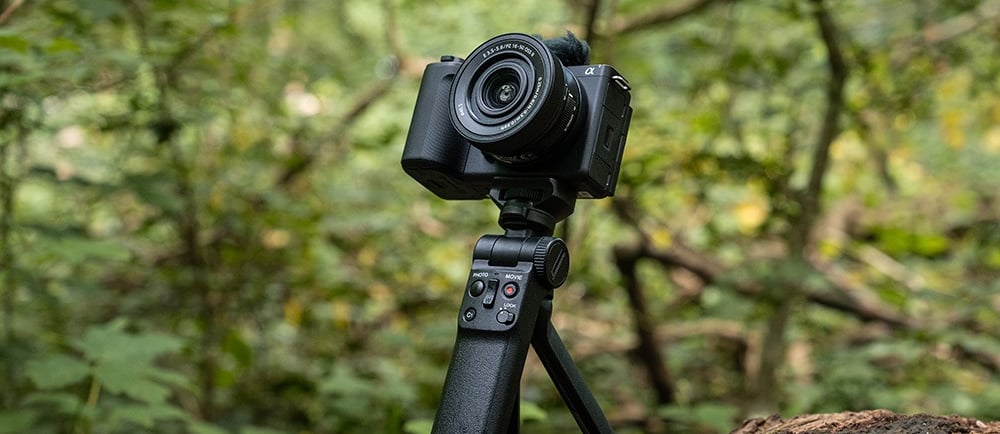
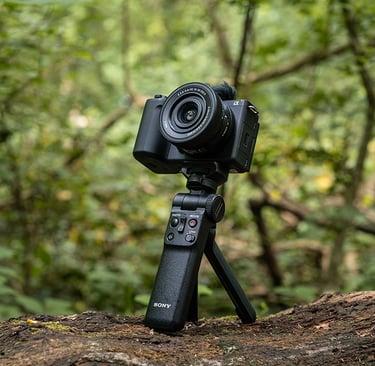
As professional content creators running Zoyashikaa Adventures and the @adv_pathfinder YouTube channel, we test gear in conditions most reviewers never experience—dusty Rajasthan highways, humid Kerala backwaters, and freezing Himalayan passes.
Why We Chose This Camera
Before the ZV-E10 M2, we used action cameras and DSLRs. Action cameras lacked the cinematic depth we wanted for storytelling. DSLRs were too bulky for tank bags. The ZV-E10 M2 offered a compelling middle ground: compact APS-C sensor for professional quality, built-in stabilization for rough roads, excellent autofocus for solo vlogging, availability in India through authorized dealers (₹70,000-75,000), and weather-sealing critical for India's diverse climate zones.
Video Quality on Indian Roads
The 4K 30fps holds up incredibly well on bumpy Himalayan roads. The active stabilization mode is essential—we've shot smooth footage on gravel tracks where our previous GoPro footage was unwatchable. In bright sunlight common during Rajasthan summer rides, the flip screen remains visible unlike cheaper cameras. The log profiles provide excellent color grading flexibility for our YouTube content, allowing us to match different clips shot across varying light conditions throughout a day's ride.
Challenges We Faced
Overheating proved problematic in extreme temperatures. During our Rajasthan summer expedition with temperatures exceeding 40°C, the camera shut down after 45 minutes of continuous 4K recording. Our solution: mount it on the bike's front cowl where airflow provides natural cooling. We also keep spare batteries in our tank bag with ice packs during particularly hot rides.
Dust protection, despite the weather sealing, isn't perfect. Fine desert dust found its way into the lens mount after three weeks in Jaisalmer. We now clean the sensor and lens mount weekly during desert tours and use UV filters as sacrificial protection.
Audio capture requires external solutions. The built-in microphone captures too much wind noise above 60km/h. We upgraded to the Sony ECM-W2BT wireless microphone system tucked inside our helmet, which connects via Bluetooth and dramatically improves audio quality.
Battery life in real-world usage gives us approximately 90 minutes of intermittent recording—perfect for documenting a day's ride with multiple stops for chai and scenic viewpoints. We carry four batteries total for full-day shooting.
What Works Perfectly
The autofocus system, particularly the eye-tracking AF, is phenomenal. Even with riding gloves on, we can vlog while stopped at viewpoints without focus hunting ruining shots. The face detection works through our helmet visor when it's open.
The flip screen has survived six months of vibration and hasn't developed any loose connections. The articulation allows for various mounting angles on our bike.
Connectivity features shine for social media content creation. We transfer clips to our phone via WiFi during lunch breaks, edit quick reels in mobile apps, and post to Instagram before continuing the ride. This real-time content strategy has significantly improved our engagement.
The compact size fits perfectly in our Tork tank bag. This is critical for multi-day tours where luggage space is premium and we're carrying camping gear.
Compared to GoPro
We run both cameras for different purposes. GoPro Hero 11 stays on our helmet for wide-angle action shots and POV riding footage. The ZV-E10 M2 mounts on handlebars or is handheld for narrative vlogging, campsite content, and village interactions. The larger sensor gives that cinematic look that sets professional content apart from typical action camera footage. For wide-angle scenery establishing shots, GoPro wins. For storytelling and viewer connection, Sony dominates.
Real-World Durability
After 5,000km including off-road sections, the camera body shows minimal wear. The rubber grip maintains its texture. The flip screen mechanism remains tight. The lens mount shows no wobble. We've ridden through torrential Kerala monsoon rains with the camera in a rain cover, and it survived without issues.
Final Verdict for Indian Riders
For Indian motorcycle vloggers serious about content quality and building a professional YouTube presence, the ZV-E10 M2 justifies its ₹70,000 investment. It's helped us grow @adv_pathfinder with footage that stands out in a crowded motovlogging space. The camera isn't perfect—overheating and dust ingress require workarounds—but these issues are manageable with proper care and awareness.
Buy from authorized Sony dealers in India for warranty coverage. Grey market imports might save ₹10,000 but leave you without support if issues arise.
Pro Tips from Our Experience
Invest in at least two extra batteries (₹4,500 each). One battery isn't enough for a day's riding content. Purchase good lens filters (₹2,000-5,000). A UV filter protects your expensive lens from stone chips and dust. Clean the sensor every two weeks on dusty routes. Sensor cleaning kits cost ₹1,500 and prevent expensive professional cleaning. Use a neck mount strap for stable walking shots at viewpoints and villages. Handheld footage while walking shows viewer the environment better than static shots.
For riders building a serious YouTube channel or professional adventure tourism brand, this camera delivers results that justify the investment.
Contact
Reach out for your next bold adventure
Phone
info@zoyahsikaa.com
+91 980 033 6667
© 2025. All rights reserved.